Cranial implant Titanium

Our titanium cranial implants are used in a range of reconstructive procedures, including:

  • Skull reconstruction following decompressive craniectomy, tumour or aneurysm surgery
  • Resorption of an autologous bone graft
  • Skull reconstruction in patients with an increased risk of bone resorption
  • Skull reconstruction in patients with residual brain swelling
  • Repeat skull reconstruction after failure of a previous reconstruction
  • Suspected polymer allergy
Strong, thin and reliable, designed for a perfect fit

The advantages of titanium

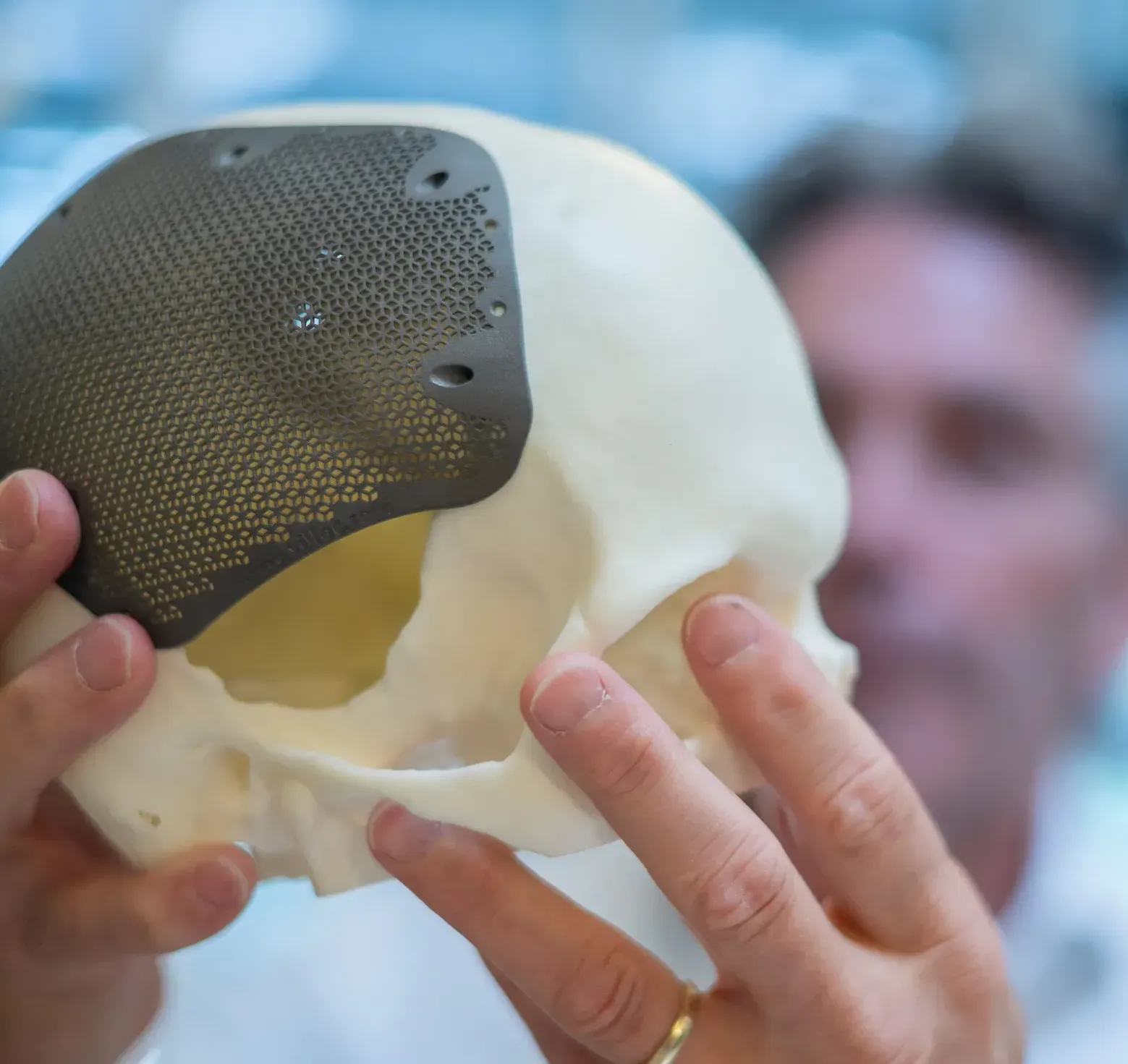
Each implant is fully tailored to your preferences and the patient’s specific situation. In our Xilloc Portal, you will find all options relating to material, fit, shape and fixation.

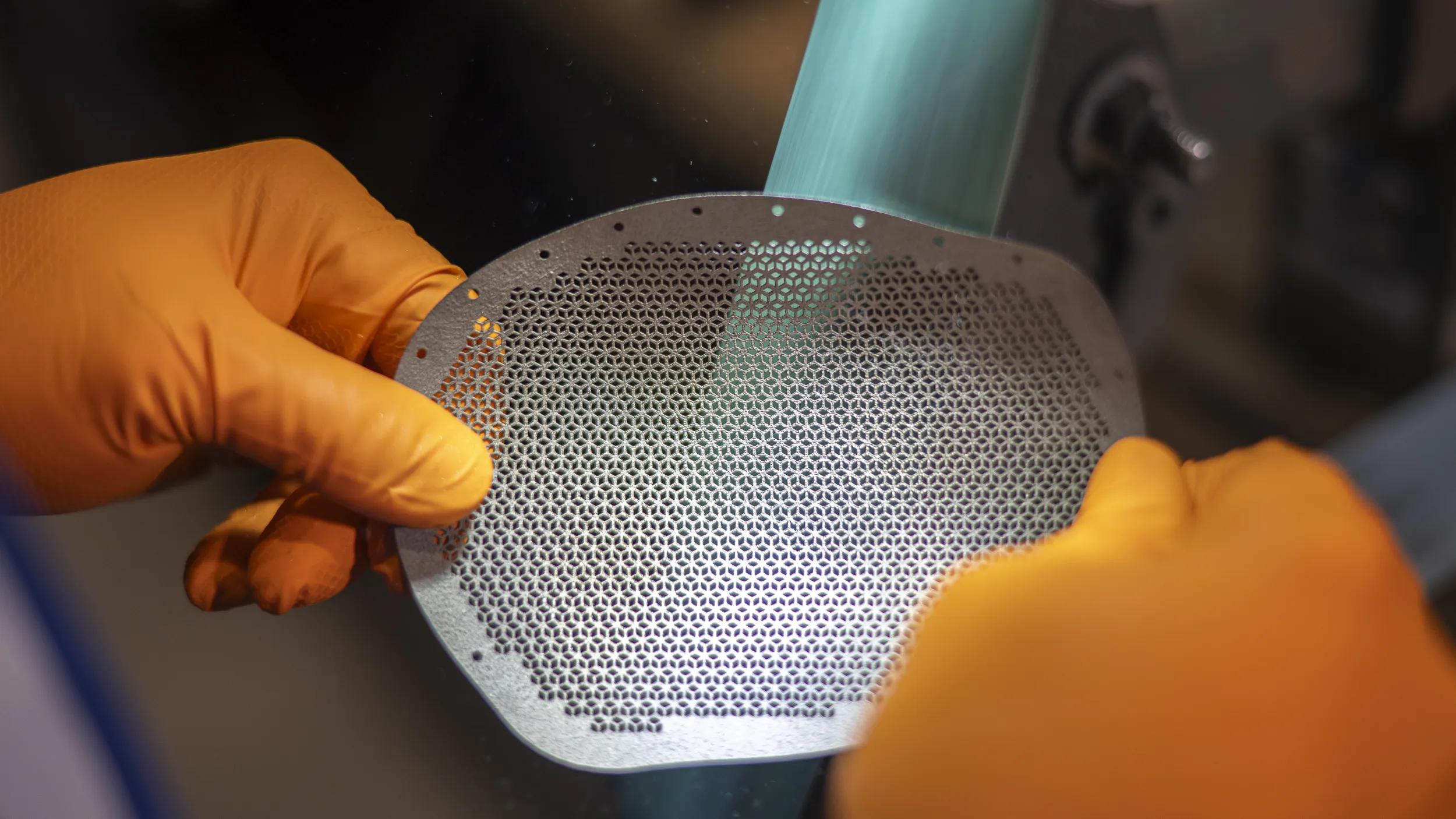
Thanks to the material’s high strength, implants can be made very thin (down to approximately 1 mm) without compromising stability. Titanium is also biocompatible, well tolerated in practice, and may have antibacterial properties.

Depending on the situation, an onlay or inlay solution can be chosen. A titanium implant provides space for any residual brain swelling and places fewer demands on the defect edge. This flexibility makes it possible to tailor the solution to the clinical situation.

Integrated fixation and suturing options ensure that the implant can be placed easily and in a controlled manner, while also providing effective support for the attachment of the dura and soft tissues.
 

cranial implant titanium
Designed for simplicity and control

Application and fixation in theatre

XSuture / MSuture

Integrated suturing options make it easy to secure the dura and soft tissues using standard needles, tailored to different diameters. This allows you to work quickly and in a controlled manner when closing the skull.

Interfix

Integrated screw fixation provides stable, flush placement of the implant without the need for additional plates or fixation devices. This means fewer steps and an implant that fits properly straight away.

Instructions on the implant

Important information is engraved directly onto the implant as visual instructions. For example, the number ‘7’ indicates that a screw length of 7 mm should be used. This makes key instructions clear at a glance in theatre.

Shunt holes

Where needed, we provide the implant with an opening for an existing shunt so that it can remain in place when the bone flap is replaced, without additional adjustments during surgery.


Xilloc
Xilloc
Xilloc
Xilloc

Also applicable in One Stage procedures

Titanium implants are used in One Stage procedures, in which resection and reconstruction take place within a single operation. The implant, planning and supporting instruments align seamlessly, allowing the procedure to be carried out in a controlled and efficient manner.

More about One Stage

Well prepared, with the right information

On our downloads page, you will find all relevant documentation, including:

  • Instructions for use
  • Surgical technique
  • CT scan protocols
     

Would you like to know more?

Do you have a question or would you like to discuss a case? If so, send us a message and we will contact you within one working day.